Reviewed by: Cindy Hatcher
Before you burn leaves in Jefferson County, try these 4 alternatives to reduce air pollution
Reading time: 4 minutes
Sponsored

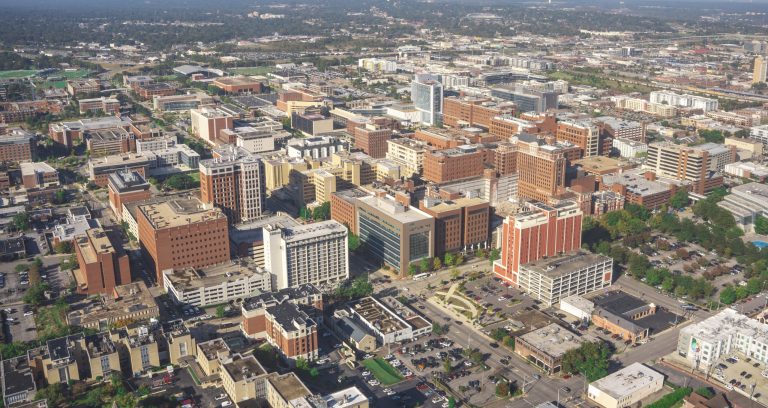
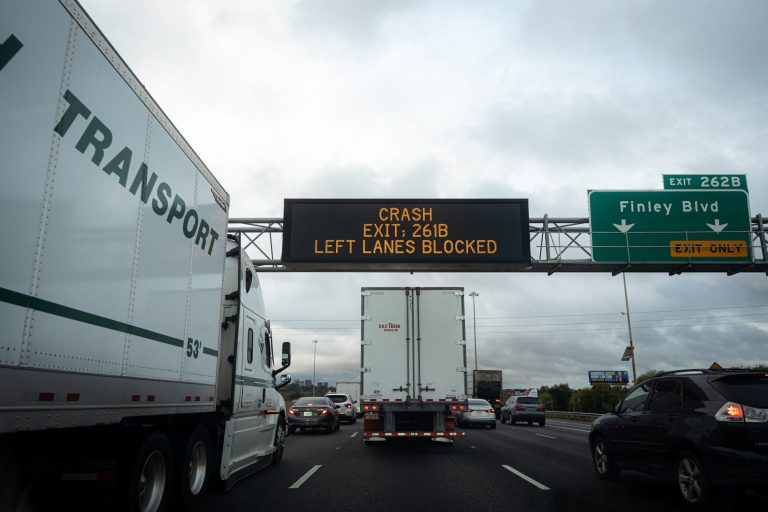
Ever heard the name Smoke City? In the 1960s, that’s what truckers reportedly called Birmingham as they approached Alabama’s largest city, once known as the “Pittsburgh of the South” for its booming iron and steel industries.
Today, Jefferson County meets the U.S. Environmental Protection Agency’s air quality standards for all regulated pollutants. Still, clean air requires ongoing attention, from monitoring industrial emissions to understanding how everyday activities like burning leaves can affect an entire neighborhood.
As fall yardwork gets underway, there are several ways to clear your property without adding unnecessary smoke to the air. Here’s what Jefferson County residents should know.

Why avoiding open burning matters for Birmingham residents


While industrial emissions once defined many of Birmingham’s air quality challenges, smaller sources of smoke can still affect local neighborhoods.
Burning leaves and other yard waste releases smoke and fine particles into the air. That smoke can travel beyond the burn site, reaching nearby homes, schools and businesses. It can also irritate the airways and worsen asthma and other heart and lung conditions.
Children, older adults and people with existing respiratory or heart conditions are especially vulnerable.
Certain materials can emit hazardous pollutants when burned, like:
- Household garbage
- Plastics
- Treated or painted wood
- Construction debris
4 alternatives to burning leaves + yard waste

Burning isn’t the only way to manage piles of leaves and other yard debris. In fact, JCDH recommends several alternatives that can help reduce smoke and give yard waste a second life:
- Compost: Turn leaves, grass clippings + other organic yard waste into compost.
- Mulch: Use mulched leaves + yard debris to improve landscaping and soil.
- Dispose: Take yard debris to an approved landfill.
- Chip or grind: Turn woody materials into reusable mulch.
These options help reduce smoke emissions, protect neighborhood air quality and minimize potential impacts on nearby properties.
Birmingham’s history with air quality, from “Smoke City” to cleaner air

Birmingham’s industrial history played a major role in shaping its air quality. Even after the Clean Air Act was passed in 1970, the area struggled to meet federal air quality standards for decades.
“Over time, work by the Air and Radiation Protection Division, along with collaboration with local industries, has significantly reduced pollution levels in Jefferson County.
The good news is that all pollutants in the Birmingham area are currently deemed to be in compliance with the EPA’s standards, and the area is officially designated as in “attainment” for all pollutants. The goal now is to maintain this attainment so that all residents of the area can breathe healthy air.”
Jason Howanitz, JCDH, Air and Radiation Protection Division
Thanks to the Jefferson County Department of Health’s (JCDH) Air and Radiation Protection Division, and its collaboration with local partners, air quality has improved significantly since Birmingham’s ‘Smoke City’ days. Maintaining that progress, however, takes continued monitoring and attention..
Have questions about open burning or air quality in Birmingham?
One important thing to know: Open burning in Jefferson County is prohibited without a permit from JCDH. To request an evaluation to obtain a burn permit please call JCDH’s Air and Radiation Protection Division at 205-930-1276.
Before you strike a match, here’s your checklist:
- Obtain a burn permit from JCDH.
- Consider neighbors who may be sensitive to smoke or have underlying health conditions.
- Never burn household garbage, plastics, treated or painted wood, construction debris or other materials that can release toxic pollutants.
- Check with JCDH and your local fire department for current regulations and restrictions.
For questions about open burning regulations, permit requirements or current restrictions, Jefferson County residents can contact JCDH’s Air and Radiation Protection Division at 205-930-1276. To view hourly air quality data and daily forecasts, click here.
Sponsored by: